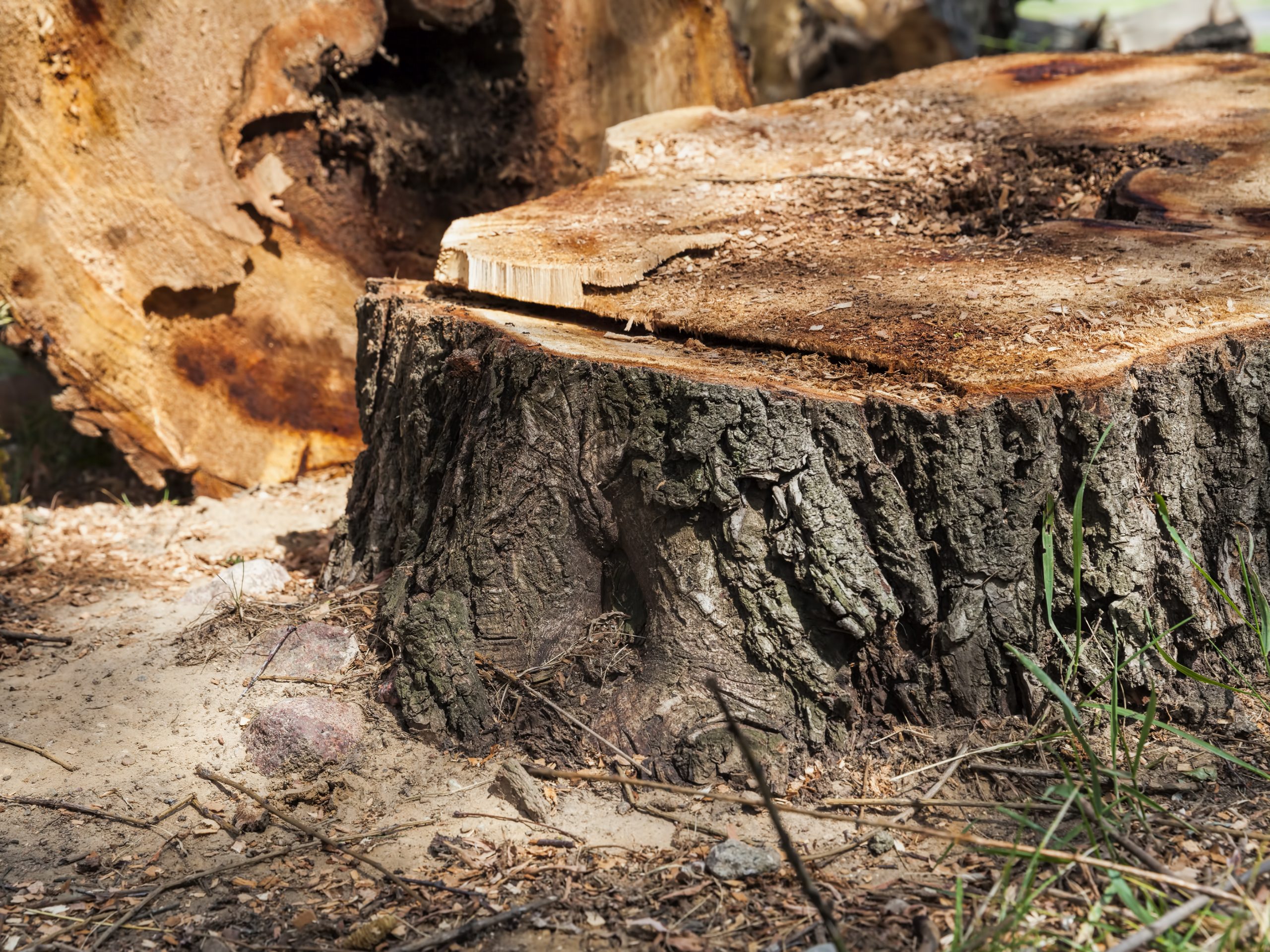
Aumento no desmatamento na Amazônia. Ponto fora da curva ou fora de controle?

Analysis published jointly by the IPAM, and ISA IMAZON

In 2012-2013, the rate of deforestation in the Amazon increased significantly by 28% (INPE, 2013), a value considered unacceptable, since the government has the fundamental means to prevent such an outcome. Although the deforested area in this period (5843 km ) is the second lowest recorded since the start of monitoring INPE (1988), this still represents a big waste because abound in the Amazon a large area already deforested and which is completely underutilized .

EMBRAPA and INPE estimate that by 2010 the abandoned or underutilized area (covered by dirty pasture or grazing under forest regeneration) in the region totaled approximately 12 million hectares (5.4 times the area of the state of Sergipe). If 25% of this area was properly used, in addition to avoiding deforestation, would be enough to meet the growing demand for meat by 2022. This deforestation, illegal largely resulted in the issuance of approximately 220 million tonnes of CO , a volume equivalent to three times the annual emissions (2012) of the country’s transport sector [1] .

The continuity of deforestation, even with “raises” sporadic or lower rates, is concerned. So in this document are provided some reflections on the reasons for this continuity and addresses the lessons learned by the country to combat it, especially one considered illegal.

For that deforestation increased in 2013?

The increase in deforestation (Figure 1) coincided with several factors that traditionally encourage cutting forests and forests reached located in different land categories (Figure 2). The rising price of agricultural products, for example, has historically encouraged deforestation both for production purposes as speculative. if deforestation-to “enhance” the land and make gains to the extent that the price increase in the future.

In turn, large infrastructure projects such as dams, roads paving (BR-163, Trans) and construction of ports (Itaituba and Santarém) changes the dynamics of the region and may have contributed in part to the recent increase in felling forests. In many cases, works such as roads and ports, attract those seeking facilities, for example, in the flow of agricultural production. Environmental and social safeguards to mitigate the risk of deforestation associated with these great works, however, are weak. In addition, failure to collect and government investment in order to be fulfilled. The most emblematic example of this was the fact that the recommendation made by the environmental impact report of Belo Monte, to the creation of about 15,000 square kilometers of protected areas, have not been heeded.

At the same time, the government is weakening environmental rules. The new Forest Code, adopted in 2012, allowed a significant part of the consolidation of illegally deforested areas in the past, which created expectations that further deforestation can be amnestied in the future. The government also reduced Conservation Units (responsible for only 3% of deforestation, although cover 25% of the Amazon territory, Figure 2 and Table 1) and the National Congress (PEC 215) threatens to undermine indigenous rights.

Still, the pattern of forest felling suggests that deforestation is increasing on public lands for uses and those that still lack information about the land situation (Figure 2, Table 1). Around 37% of clearing occurred in areas included in these two categories (Table 1).

Deforestation in agrarian reform settlement areas has also been high and is apparently associated with the concentration of land not settled For example, considering only the clearing of nesting areas (29% of the total – Figure 2 and Table 1), 75% of deforestation exceeds 10 hectares, inconsistent value with the profile of the land reform settlers, which usually drop on average two hectares per year for subsistence purposes. Furthermore, only 55 settlements (over 2700) contributed 50% of clearing land within this category. 


The lessons on combating deforestation

In recent years, Brazil has learned several lessons on how to combat deforestation in the Amazon. For example, from 2005, with the rates that the forest had been felled, they began to fall gradually because of various control measures. Estre they intensified surveillance (including the prison involved in environmental crimes) and the creation of protected areas [2] (Figure 1). Also contributed to this decline in rates, the embargo of the areas of soybean purchase that were cleared. However, in 2008, the deforestation rate increased by 11% (Figure 1). In response, the government quickly implemented even tougher and focused measures including:

  • concentrated supervision in critical municipalities with the highest deforestation rates;
  • credit constraint for producers who did not start the environmental regularization of their property;
  • embargo of deforested areas and providing maps of these areas on the Internet, making it liable to penalties those who purchase products from these regions.

In addition to the actions of the Executive Branch, the Public Ministry initiated actions against companies that bought cattle illegally deforested areas. Despite the success of the fight against Amazon deforestation recorded in recent years it is necessary that the government and society to be alert increases, even if possible, be avoided. The persistence of this deforestation indicates that new measures to its combat should be implemented.

Such measures must be particularly in the field of economic incentives for conservation and reduction of speculative deforestation. After all, the ultimate goal is the complete extinction of deforestation in the region, as even the area currently tipping, environmental and climatic point of view, it is still unacceptable. The forest is a finite resource. To preserve it, you need to stop deforestation as soon as possible. So, so we can follow up with consistent reductions in deforestation rates in the coming years will be necessary to advance in already established combat actions and implement other innovative. Below, we offer some alternatives in this regard.

1)  Monitor and quickly punish

It is necessary to monitor and quickly punish environmental crimes both actions of the Federal Police, as Ibama. Surveillance should be more preventive than reactive. For this, the detection and surveillance of areas degraded by logging should be prioritized in anticipation strategy to deforestation. It also needs to ensure that embargoed areas continue in this condition. There is evidence that is happening the marketing of products originating in these areas. In this sense, it will be necessary to expand the confiscation of cattle raised in embargoed areas and blame the refrigerators on the purchase of cattle. This can be done by crossing the data that are available in Animal Transport guides with the information from the list of embargoed areas. The soy moratorium and the actions of the prosecution against illegal meat should be extended and strengthened. In addition to restricting the market for illegal producers, such measures should value those who produce in a sustainable way. The effective punishment of the major illegal loggers should also be a priority. Whereas to clear one hectare of forest the cost is approximately US $ 1500 per hectare (field information), research on the financial transactions involved in the illegal destruction of the forest can be an innovative action control to be used. A task force between IBAMA, the Federal Police and the State and Federal Public Ministry could blame not only those who directly promote illegal logging, but also those who finances. such measures should value those who produce in a sustainable way. The effective punishment of the major illegal loggers should also be a priority. Whereas to clear one hectare of forest the cost is approximately US $ 1500 per hectare (field information), research on the financial transactions involved in the illegal destruction of the forest can be an innovative action control to be used. A task force between IBAMA, the Federal Police and the State and Federal Public Ministry could blame not only those who directly promote illegal logging, but also those who finances. such measures should value those who produce in a sustainable way. The effective punishment of the major illegal loggers should also be a priority. Whereas to clear one hectare of forest the cost is approximately US $ 1500 per hectare (field information), research on the financial transactions involved in the illegal destruction of the forest can be an innovative action control to be used. A task force between IBAMA, the Federal Police and the State and Federal Public Ministry could blame not only those who directly promote illegal logging, but also those who finances. 5000 per hectare (field information), research on the financial transactions involved in the illegal destruction of the forest can be an innovative action control to be used. A task force between IBAMA, the Federal Police and the State and Federal Public Ministry could blame not only those who directly promote illegal logging, but also those who finances. 5000 per hectare (field information), research on the financial transactions involved in the illegal destruction of the forest can be an innovative action control to be used. A task force between IBAMA, the Federal Police and the State and Federal Public Ministry could blame not only those who directly promote illegal logging, but also those who finances.

2) Create economic incentives for conservation

In addition to punishing offenders it is essential to support conservation. This can be done with immediate economic incentives in scale for conservation, restoration and forest regularization. The credit for agricultural activities in the Amazon has grown substantially without, for example, the adaptation to the Forest Code, even with all the inherent loosening its new version of the law, be adopted as selection criteria for granting funding. Some of the incentives are already provided for in Article 41 of the new forestry law, such as sustainable procurement, differentiated tax treatment, payment for environmental services, certification and credit for sustainable forestry and agricultural production. Incentives should be directed preferentially to family farming, according to the new Forest Code, and could strengthen initiatives like the Settlements Program Green, INCRA, and the proposed payment for environmental services via the Food Acquisition Program (PAA). Incentives could also cover taxes. For example, the government still collects only a small fraction of the Rural Land Tax (ITR), which was created to curb speculative occupation, and it could be used as a resource for encouraging sustainable production. In 2002, the federal government collected only 6% of the potential value of ITR according to an analyst at the IRS. the government still collects only a small fraction of the Rural Land Tax (ITR), which was created to curb speculative occupation, and it could be used as a resource for encouraging sustainable production. In 2002, the federal government collected only 6% of the potential value of ITR according to an analyst at the IRS. the government still collects only a small fraction of the Rural Land Tax (ITR), which was created to curb speculative occupation, and it could be used as a resource for encouraging sustainable production. In 2002, the federal government collected only 6% of the potential value of ITR according to an analyst at the IRS.

3) To combat land speculation

Land speculation or speculative clearing appears to be a major reason for the advance of deforestation, even when large areas have cleared are still available. Speculation certainly move illegal logging. The forest clearing for misappropriation ( “ownership”) of public land is historically consolidated stimulus and often reinforced by the government. Rarely does the government takes possession of these lands, even when they are clearly misused or unproductive. In this sense, the collection of the ITR is essential to discourage speculation. Especially in cities with underutilized areas concentration of the sample are Felix Xingu, Para, and Aripuanã, Mato Grosso [3] .

To avoid speculation the government must also resist pressures to reduce the protected areas in the region. A recent study has shown that protected areas less effective against deforestation are those where there are land disputes [4] . So it is not surprising that deforestation in the vicinity of Altamira and National Forests Jamanxim (Figure 3) and the Indigenous Land Chest, the area of influence of the BR-163, is associated with the expectation of reducing the limits of these protected areas. Therefore, we must stop the political process of reviewing these limits in Congress and charge less ambiguous signals the government’s stand on the matter.

4) order and properly allocate the land use

Deforestation continues to advance on public lands not intended. Are million hectares of forest land awaiting allocation [5] and are at the mercy of speculators and land grabbers (Figure 2). The government should coordinate and focus the actions of various agencies responsible for the allocation and management of these areas, such as the Brazilian Forest Service, Ibama, ICMBio, Incra and Funai. Priority must be given to the allocation of land for conservation and sustainable use of forest peoples, which come under pressure, including from new infrastructure projects in the region.

In areas already occupied, the government should accelerate the Rural Environmental Registration (CAR) georeferenced – accompanied by their effective monitoring – something which unfortunately is still very flawed. Furthermore, it should accelerate and improve land tenure. For example, it has been reported that squatter embargoed areas are receiving land titles in western Pará. These actions should be focused around great works of federal interest infrastructure, including the paving of BR-163 (accounting for more than 50% of deforestation this year), the Trans and around the power plants of the Madeira and Belo Monte. Finally, recent history shows that the fight against deforestation must be seen as a permanent mission, as is the fight against inflation.

Therefore, it is important to note and take action against deforestation reduction targets established for the region. Considering the volume of land already cleared and abandoned, this goal should be zero deforestation! With the incessant and integrated implementation of policies that have proven effective against deforestation, coupled with innovative policies, it would be perfectly possible to achieve this goal. In this sense, the institutions listed below offer this brief analysis of deforestation recorded in 2013 and placed at the disposal of the Government to discuss in depth the findings and recommendations presented here briefly. With a joint effort of society and government,

Brasilia, January 7, 2013.

Environmental Research Institute of Amazonia – IPAM Environmental Institute – ISA Institute of Man and Environment in the Amazon – Imazon

[2] Smith, B. Son, P. Moutinho Nepstad D., Anderson A., H. Rodrigues, A. Garcia, L. Dietzsch, Merry, F., M. Bowman, Hissa L., R. and Silvestrinia Maretti C. 2010. Role of Brazilian Amazon protected areas in Climate change mitigation. PNAS 107 (24): 10821-10826. www.pnas.org/cgi/doi/10.1073/pnas.0913048107 .
[3] See list of municipalities with more land underutilized in Barreto, P. & Silva, D. 2013. Developing the rural economy without deforesting the Amazon? Belém-PA: Imazon.
[4] Nolte, C .; Agrawal, A. and Baker, P. 2013. Setting priorities to avoid Amazon deforestation in protected areas: are we choosing the right indicators? Environmental Research Letters . 8 015039
[5] . SFB. Brazilian Forest Service and IPAM. Amazon Institute for Environmental Research. 2011. Native Forest Brazilian production. (Report). Brasilia DF. Available in:http://ipam.org.br/download/livro/Florestas-Nativas-de-Producao-Brasileiras/612.


Cadastro Ambiental Rural

Artigo de Xico Graziano, publicado no jornal Estado de São Paulo em 7 de janeiro de 2013.

Os agricultores do Brasil receberam um presentão de ano-novo: o Cadastro Ambiental Rural (CAR). Terão, doravante, de desembrulhar o pacote completo do Código Florestal, regularizando suas propriedades rurais no Instituto Brasileiro do Meio Ambiente e dos Recursos Naturais Renováveis (Ibama). Dureza ecológica.

Instituído pela nova legislação, o CAR promete inaugurar uma fase alvissareira no campo. A ministra do Meio Ambiente, Izabella Teixeira, julga tal cadastro uma “mudança na história ambiental do Brasil”. Concordo que há razões, positivas, para pensar assim. Hoje em dia o produtor rural só leva bordoada nesse assunto. Acusado de carregar um passivo ambiental trazido de seus avós, confundem-no com os bandidos da floresta, sem separar o joio do trigo. Típico da legislação ambiental brasileira, o mecanismo de “comando e controle” utiliza apenas a multa como arma pedagógica.

Agora, pela primeira vez, surgiram regras propositivas, capazes de promover a recuperação ambiental de áreas degradadas. A mudança é notável. Antes, só existia a política do “não”. Mas a ação proibitiva nem sempre funciona. Agora, vale também o “sim”. Propostas inovadoras surgem para ajudar a transformação do produtor rural, induzi-lo ao caminho da sustentabilidade. Começa, dessa forma, uma verdadeira pedagogia ambiental no campo, com procedimentos que aplaudem o certo, e não apenas xingam o errado.

Leia o artigo completo aqui.

*Xico Graziano é agrônomo, foi secretário de Agricultura e secretário do Meio Ambiente do Estado de São Paulo.


Lento adeus ao Código Florestal

Por Raul Silva Telles do Valle, coordenador de Política e Direito Socioambiental do ISA

Os grandes jornais estamparam, na semana passada, a foto do bilhete da presidente Dilma endereçado à ministra Isabela Teixeira (Meio Ambiente), no qual extravasa um suposto descontentamento com o acordo fechado entre o Palácio do Planalto e a bancada ruralista para aprovar a Media Provisória (MP) do Código Florestal na comissão mista do Congresso que a analisa. A imagem foi flagrada numa reunião em Brasília.

Segundo o pequeno pedaço de papel, Dilma estaria preocupada com a alteração da escadinha, o escalonamento na obrigação de recuperar as chamadas Áreas de Preservação Permanente (APPs) às margens de rios e nascentes, de acordo com o tamanho do imóvel imóveis menores recuperam menos (veja a tabela abaixo, feita com base no texto aprovado na comissão mista).

Oxalá esse fosse o principal problema do texto aprovado na semana passada pela comissão (saiba mais) e o governo estivesse realmente preocupado com uma legislação florestal coerente e eficaz para o país. Mas não é nada disso.

Enquanto a ministra veio a público dizer que não abre mão da escadinha, a bancada ruralista, com a benção dos emissários do Planalto, destrói o chão sobre a qual ela está apoiada. O texto aprovado por unanimidade acrescentou um item à MP que permite a recuperação de nascentes e matas ciliares com árvores frutíferas: laranjeiras, pés de café, mamoeiros e por aí vai. Não misturados entre a vegetação nativa, o que já era permitido aos pequenos agricultores e tem lá o seu sentido; mas inclusive na forma de monocultivos em grandes propriedades.

A escadinha vai sair do nada e chegar a lugar nenhum, pois uma plantação de laranja exigente em agrotóxicos para ser produtiva pode ter muitas funções, mas não a de proteger uma nascente ou servir como corredor de fauna ao largo de um rio, como deveria ser uma APP.

Se a regra vier a ser confirmada pelos plenários da Câmara e do Senado e a presidente não vetá-la algo bastante plausível um determinado médio proprietário, por exemplo, que, em 2007, tenha desmatado ilegalmente 30 hectares de vegetação à beira de um pequeno rio, poderá se regularizar plantando nove hectares de mamoeiros e explorando o restante da área com pasto.

Se isso tiver ocorrido numa região de cerrado goiano, por exemplo, ele terá colocado abaixo, ilegalmente, 30 hectares de vegetação com pelo menos 50 espécies diferentes de árvores e mais centenas de outros tipos de plantas, que serve de abrigo e fonte de alimentação para um incontável número de espécies animais (de grandes mamíferos a pequenos insetos). Em seu lugar plantará nove hectares de uma única espécie (talvez algum capim se espalhe por debaixo, caso não exista faxina química com agrotóxicos, como ocorre usualmente nessas plantações), que servirão de abrigo e alimentação apenas para algumas espécies muito generalistas de insetos e pássaros, os quais provavelmente serão atacados de forma persistente com inseticidas para não danificarem a colheita.

A MP foi editada em maio para suprir as lacunas deixadas pela sanção parcial de Dilma ao projeto aprovado pela Câmara para alterar o antigo Código Florestal. Pelas regras já sancionadas e que agora são lei, esse pequeno rio terá suas margens medidas na época da seca, e não da cheia, o que fará com que ele diminua de tamanho, caindo de algo próximo a 15 metros para menos de 10 metros de largura. Esse médio proprietário, segundo as regras da MP, teria de recuperar, então, 15 metros de cada lado do curso de água, ou seja, 30% da área que em 2007 estava protegida por lei (50 metros em cada margem). Com a regra acrescentada pelos parlamentares, esses 15 metros poderão ser uma monocultura de mamão.

Ah, se essa propriedade estiver dividida em mais de uma matrícula (algo muito comum em todo o país  veja aqui) e esse proprietário cadastrar cada uma como se fosse um imóvel diferente no Cadastro Ambiental Rural, fraude possível pela nova lei que já está em vigor, o tamanho da restauração será bem menor, pois cada sítio se enquadrará num degrau mais baixo da escadinha, no qual a obrigação de restaurar é menor ainda.

Caminho do absurdo

A criação de laranjais produtores de água não foi a única modificação no texto da MP promovida pelos parlamentares. Eles também diminuíram o tamanho da área de matas ciliares e nascentes a ser restauradas pelos grandes proprietários, que agora passará a ser definido no caso a caso por meio dos programas de regularização ambiental que serão criados pelos estados. Essa é uma pauta antiga dos ruralistas: deixar para o nível local a decisão de restaurar ou não. Além disso, diminuíram a proteção às veredas e pequenos rios intermitentes as nascentes desses rios já estão sem proteção e podem ser legalmente desmatadas pela nova lei em vigor. Aos poucos, vamos dando o adeus definitivo àquilo que um dia chamamos de legislação florestal.

O acordo fechado não surpreende, por mais absurdo que possa parecer pelo menos aos olhos de quem acredita que proteger nossas florestas faz algum sentido. Quem acompanha a novela, já sabe seu final. Já não há mais qualquer racionalidade nas discussões parlamentares sobre a nova legislação florestal. Permitir recuperação de nascentes com cafezais e de matas ciliares com laranjais é tratado como algo razoável, que sequer suscita qualquer tipo de questionamento. Retirar a proteção à vegetação responsável pela infiltração de água que alimenta as nascentes da Caatinga e do Cerrado, justamente as que secam durante alguns meses do ano em função do estresse hídrico, é algo comemorado. Determinar que cada estado defina o quanto os grandes proprietários terão de recuperar se for com pés de mexerica, a palavra está equivocada das áreas de preservação irregularmente desmatadas, incentivando uma guerra ambiental, é perfeitamente normal.

Bilhete em branco

O que fica claro nessa história toda é que nenhuma das partes está preocupada em ser coerente com o que diz, mas apenas em aprovar o texto o mais rápido possível e ficar bem na foto.

O bilhetinho de Dilma, embora escrito em letras garrafais para que todas as lentes pudessem flagrá-lo, carece de sinceridade. O Palácio do Planalto já tinha deixado claro suas intenções quando optou por assinar embaixo da lista de desejos dos ruralistas e sancionar, com poucos e irrisórios vetos, o projeto por eles elaborado (leia mais), editando na sequência uma medida provisória para repor parte daquilo que eles rejeitaram.

Até Eremildo, o Idiota, sabia que aquilo era um golpe de marketing. Não tinha nenhum compromisso em ser politicamente viável. Afinal, quem poderia acreditar que, já tendo sido derrotado duas vezes pelos ruralistas nesse mesmo assunto, sancionando uma lei com praticamente tudo que eles queriam, o governo teria condições de negociar com os ruralistas e garantir um texto cheio de coisas que eles não queriam? O resultado, óbvio, está aí: mais e mais concessões, mais e mais prejuízos ao meio ambiente.

Os ruralistas, por sua vez, vão deixando cair as máscaras uma depois da outra. Já não precisam mais disfarçar nada, pois sabem que estão com tudo e não estão prosa. Se no começo da campanha pela revogação do Código Florestal clamavam por regras que tivessem base científica, alegando que a lei revogada era dela desprovida, agora fingem que não escutam as reiteradas advertências feitas pela Sociedade Brasileira pelo Progresso da Ciência (SBPC) às regras que aprovaram. Ou alguém acha que a regra que permite plantar laranja em nascentes é fruto de uma recomendação técnica embasada no melhor conhecimento científico?

A senadora Kátia Abreu, que até a sanção da lei pela presidente Dilma afirmava que os maiores interessados na proteção de nascentes e riachos seriam os próprios produtores rurais, na comissão especial estava na tropa de choque que aprovou o fim das matas ciliares dos rios da Caatinga e transformou as Áreas de Preservação Permanente em Áreas de Plantações Permanentes. Agora ela já duvida publicamente da relação entre proteção de florestas e produção de água. Com isso, ganhou o título de Doutora Honoris Causa da Academia Brasileira de Filosofia. E uma forte indicação para integrar o ministério da presidente Dilma.

Para saber mais sobre as consequências da nova lei, clique aqui. (Para entender as mudanças já aprovadas, que já são lei, veja tabela abaixo.)


Veja mais análises no site do Instituto Socioambiental.

Ciência fora do debate do Código


Entrevista de Antonio Donato Nobre para Rhett Butler, do Mongabay.com, publicada em 9 de agosto de 2011.

Confira na íntegra aqui.

A recente pressão para alterar o código florestal no Brasil tem emergido como uma das questões políticas mais controversas do país, colocando o agronegócio contra ambientalistas que tentam preservar a floresta amazônica. Embora a lei tenha sido muitas vezes ignorada, historicamente o código florestal exigiu dos proprietários rurais a manutenção de uma proporção substancial de cobertura florestal natural em suas propriedades.

Agora, um poderoso bloco “ruralista”, composto por grandes agricultores e pecuaristas, argumenta que o código florestal precisa ser relaxado para que o Brasil possa continuar seu vertiginoso crescimento como uma superpotência agroindustrial. Estes ruralistas argumentam que, porque o código florestal tem sido tão amplamente desrespeitado (mais de 90 por cento dos proprietários de terras na Amazônia estão operando ilegalmente), um grande componente da economia brasileira está efetivamente na condição “ilegal”, minando a governança e os esforços para melhorar a gestão da terra.

Porém, ambientalistas dizem que as mudanças propostas, que reduzem as exigências de cobertura florestal para áreas até 400 ha e concedem anistia para o desmatamento passado, poderia minar os progressos recentes na redução do desmatamento e ferir compromissos internacionais do Brasil na área climática. A mídia tem vinculado um aumento recente da destruição na Amazônia à expectativa dos fazendeiros de eventual anistia.

Embora ambos os lados afirmem estar baseando suas recomendações na “melhor ciência” disponível, os cientistas brasileiros dizem que não tiveram muita voz no debate. Na verdade, diz Antonio Donato Nobre, pesquisador do Instituto Nacional de Pesquisas da Amazônia e do Instituto Nacional de Pesquisas Espaciais, “Ao longo da gestação das revisões na lei florestal o Congresso não convidou nem comissionou uma contribuição coordenada e séria da comunidade científica.”

Nobre diz que a falta de consideração da ciência no debate do código florestal poderá demonstrar-se perigosa para a agricultura brasileira, que é fortemente dependente de serviços gerados pela vasta floresta Amazônica. Caso o novo código florestal sancione o desmatamento em grande escala, como alguns temem venha a ocorrer, os agricultores e pecuaristas do Brasil podem estar minando o próprio sistema ecológico que sustenta a sua indústria.

“A análise científica apoia a noção de que a ativa conservação de áreas naturais dentro das propriedades rurais faz completo sentido agronômico, econômico e ecológico”, disse Nobre aomongabay.com. Nobre acrescenta que uma abordagem científica para a reforma do código florestal poderia oferecer uma maneira de avançar na melhoria da sustentabilidade a longo prazo do crescimento econômico do Brasil.

“Com boa aplicação das modernas ferramentas tecnológicas, o novo Código Florestal poderia tornar-se uma fonte de estímulo para o aumento responsável e sustentável da produção agrícola, enquanto, ao mesmo tempo permitiria a reabilitação ecológica e econômica de grandes áreas de terras degradadas em todo o Brasil, “, disse. “Será completamente indesculpável se todos estes esclarecedores e libertadores conhecimentos e tecnologias forem postos de lado por uma disputa política e ideológica já antiquada.”

Na primeira parte de uma entrevista com duas partes ao mongabay.com em agosto 2011, Nobre falou sobre a necessidade de integrar a análise científica em qualquer revisão do código florestal do Brasil.